 Appletun Grove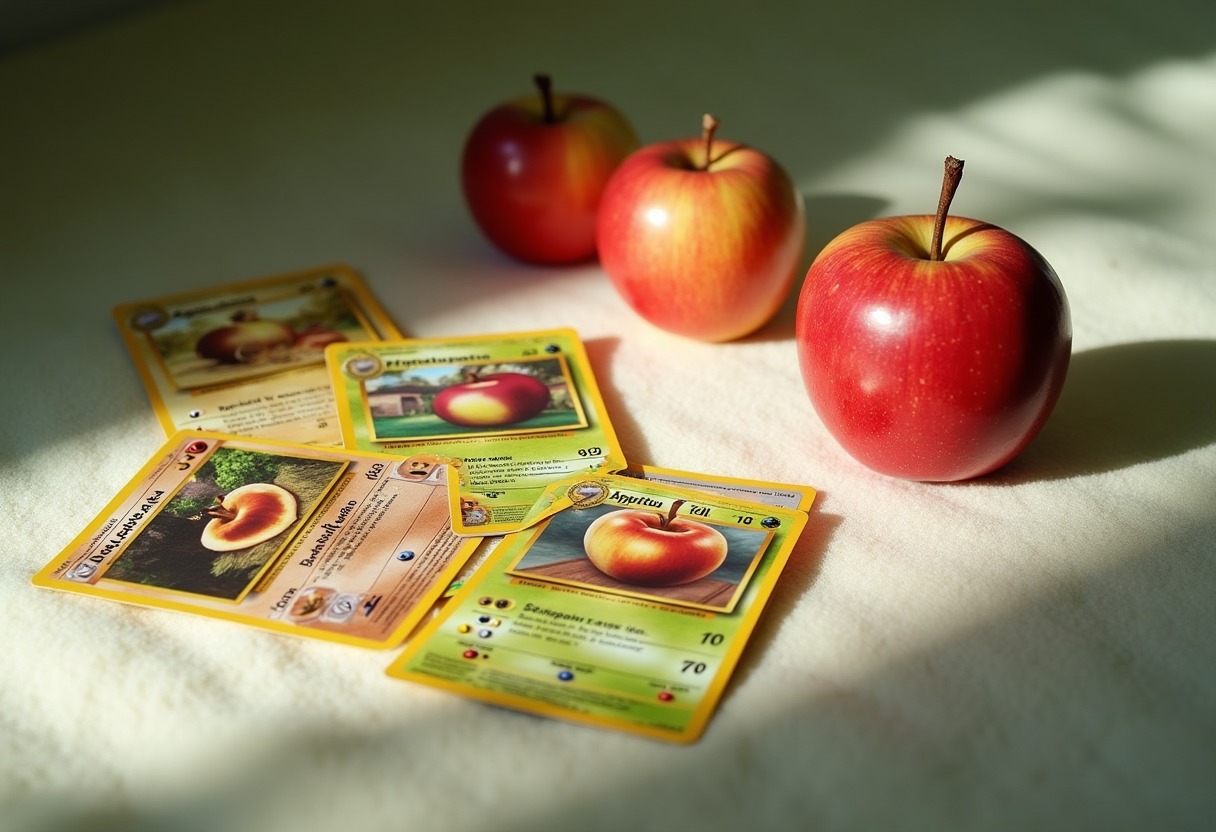
Appletun cards showcase wildly different artistic approaches—from cozy orchard scenes to dynamic battle poses—and knowing which illustration styles exist helps you target the cards that match your collecting personality. This guide breaks down every major art variant across Appletun's TCG appearances, so you can spot the difference between a standard print and a chase card worth protecting.
Why Appletun's Art Variants Matter to Collectors
According to Bulbapedia), Appletun has appeared across multiple Pokémon TCG sets since its debut in Sword & Shield base, each release bringing distinct artistic interpretations. The art style dramatically affects both aesthetic appeal and market value—alternate art versions routinely command 3-5x the price of their standard counterparts.
Collectors drawn to Appletun specifically face a unique challenge: this Pokémon's gentle, apple-pie aesthetic lends itself to both whimsical and competitive artistic directions. Some cards emphasize the cozy, friend-focused vibe that makes Appletun beloved as a Best Cozy Pokemon Gifts staple. Others lean into battle-ready compositions that work better for players focused on Appletun Card Combos Tcg Synergies.
Understanding these variants helps you make smart purchases, whether you're building a display-worthy collection or hunting specific cards for grading potential.
Standard vs. Full Art vs. Alternate Art: The Core Differences
Standard cards feature traditional TCG layout: Pokémon centered against a simple background, surrounded by the yellow border and text box. Appletun's standard cards from Vivid Voltage and Evolving Skies follow this format—clean, affordable, perfect for players who need functional copies. Full art cards extend the illustration to cover the entire card face, removing the yellow border and integrating the text directly into the artwork. The Appletun V full art from Evolving Skies transforms the standard center-framed pose into an immersive orchard scene, with apple blossoms and dappled sunlight filling every corner. These cards typically cost 2-3x more than standard versions. Alternate art cards represent the premium tier. These feature completely reimagined compositions by different artists, often showing Appletun in narrative scenes rather than battle-ready poses. The Japanese-exclusive alternate art prints sometimes show Appletun napping in grass, sharing apples with trainers, or nestled into cozy scenarios that emphasize personality over power. Prices start around $20-40 for modern alternate arts and climb significantly for older or lower-print-run versions. Promo variants include special stamped versions distributed through tournaments, event boxes, or promotional tie-ins. These share artwork with existing cards but add foil stamps, alternate numbering, or holographic patterns that distinguish them as limited releases.If you're evaluating which variants to chase, check our Best Appletun Cards To Collect 2026 guide for current market recommendations.
Illustration Style Comparison Across Major Sets
Each Appletun card tells a different visual story. Here's how the major releases compare:
| Card Release | Artist | Art Style | Background Detail | Collectibility | |--------------|--------|-----------|-------------------|----------------| | Appletun (Vivid Voltage) | Kouki Saitou | Standard frame, front-facing | Minimal gradient | Common, under $1 | | Appletun V (Evolving Skies) | 5ban Graphics | 3D-rendered, dynamic angle | Orchard setting, depth | Moderate, $3-5 | | Appletun VMAX (Evolving Skies) | 5ban Graphics | Full art, gigantified pose | Dramatic sky, energy effects | High, $15-25 | | Appletun Alt Art (Japanese exclusive) | Mitsuhiro Arita | Hand-illustrated, narrative scene | Detailed grass, trainer interaction | Premium, $40+ |
The 5ban Graphics cards use computer-generated 3D models with photorealistic textures, creating a polished but somewhat impersonal feel. Collectors who prefer traditional illustration gravitate toward hand-drawn cards by artists like Mitsuhiro Arita, whose work on Appletun emphasizes expressive eyes and softer linework that captures the Pokémon's gentle nature.
For display purposes, full art and alternate art cards work beautifully in Pokemon card display cases where lighting can highlight the holographic patterns and extended artwork. Standard cards benefit more from organized storage in card binders ultra pro systems.
Product Recommendations: Protecting Your Art Variant Collection
Once you've identified which Appletun art variants you want, proper storage determines how well they retain value and visual appeal.
→ Shop top loader card holders on Amazon for individual card protection. Use these for any card worth more than $10—full arts and alternate arts belong in rigid toploaders with penny sleeves underneath. The clear plastic shields against edge wear and surface scratches while keeping the artwork fully visible. → Shop Pokemon card binders on Amazon for organized collections. Side-loading binders prevent cards from sliding out, and ring-free designs eliminate the center bulge that can damage cards over time. Dedicate one binder page to Appletun variants arranged chronologically or by art style. → Shop card sleeves ultra pro on Amazon as your first defense layer. Double-sleeving (inner perfect-fit sleeve plus outer standard sleeve) protects expensive alternate arts from moisture, dust, and handling oils. Use clear sleeves for display collections and colored sleeves for playable deck copies. → Shop Pokemon card display case on Amazon if you want to showcase your favorite Appletun art. Wall-mounted acrylic cases work perfectly for single graded slabs or raw cards in toploaders, turning your collection into room decor. See our Appletun Collection Display Ideas post for arrangement inspiration. → Shop Pokemon art book on Amazon to study the artists behind your favorite cards. Official Pokémon TCG illustration books often include sketches, color studies, and artist commentary that deepen your appreciation for the creative process.Hidden Details and Artist Signatures Most Collectors Miss
Pay attention to background elements that reveal each artist's style. Kouki Saitou consistently adds tiny berries and leaves in the corners of grass-type cards—spot them in the Vivid Voltage Appletun's bottom right. Mitsuhiro Arita includes subtle trainer silhouettes or Pokémon companions in distant background layers, rewarding close inspection of his alternate art pieces.
Holographic patterns vary by set and printing location. Japanese printings use finer holo textures with more prismatic effect compared to English versions. The Evolving Skies Appletun VMAX shows this difference dramatically—Japanese copies display tighter, more vibrant rainbow patterns across the apple body texture.
Check card codes and set symbols to distinguish legitimate variants from reprints. The same artwork sometimes appears across multiple sets with different numbering, affecting rarity. Cross-reference with Most Valuable Appletun Cards to confirm you're looking at the scarcer print run.
Foil placement tells stories too. Full art cards concentrate holographic effects in specific zones—sky areas, energy blasts, or the Pokémon's body—creating visual hierarchy that guides your eye through the composition. Standard holos spread the pattern uniformly, which looks less dynamic but prevents glare issues in certain lighting.
For competitive players evaluating art variants for Appletun Tcg Deck Building Guide purposes, remember that all prints with identical attack text play identically. Choose standard versions for budget decks and upgrade to full arts when you want your deck to reflect personal style rather than pure functionality.
Regional exclusive artwork creates collecting challenges. Japanese alternate arts rarely see official English releases, requiring imports through specialty retailers or secondary markets. These cards command premium prices but offer illustration quality unavailable in domestic products. Compare this to how Appletun Vs Flapple Comparison plays out in card art—Flapple gets more aggressive battle poses while Appletun receives gentle, narrative-focused scenes.
FAQ
What's the difference between alternate art and full art Appletun cards? Full art cards extend the standard card's artwork to cover the entire card face while keeping the same composition. Alternate art cards feature completely different artwork by different artists, usually depicting Appletun in unique poses or scenarios not shown on standard or full art versions. Are Japanese Appletun cards worth more than English versions? Japanese exclusive alternate arts command higher prices ($40-80+) due to limited availability and often superior print quality. Standard Japanese cards typically cost the same or slightly less than English equivalents. The value difference matters most for premium variants, not common prints. How can I tell if my Appletun card is a first edition print? First edition stamps appear on older TCG sets but were discontinued for most modern releases including Sword & Shield era cards where Appletun appears. Instead, check set symbols and card numbering to determine print run—earlier sets with the same card number typically hold higher value. Which Appletun art style is most popular with collectors? Hand-illustrated alternate arts by artists like Mitsuhiro Arita dominate collector preference for their expressive, narrative quality. 3D-rendered full arts from 5ban Graphics rank second for their dramatic compositions. Standard cards serve functional collecting purposes but don't drive premium market demand. Should I grade Appletun art variants or keep them raw? Grade alternate arts, full art VMAXs, and first-appearance cards if they're in PSA 9 or better condition—grading costs ($20-100 depending on service tier) only make financial sense for cards already worth $30+. Keep standard prints and played-condition cards raw in protective sleeves.Finding Your Favorite Appletun Illustration Style
The Appletun card that belongs in your collection depends on what draws you to this apple pie dragon—whether that's cozy orchard vibes, competitive battle energy, or the pure artistic craft of a specific illustrator's style.
Some links on this page are affiliate links. We may earn a small commission if you purchase through them, at no extra cost to you.