 Appletun Grove
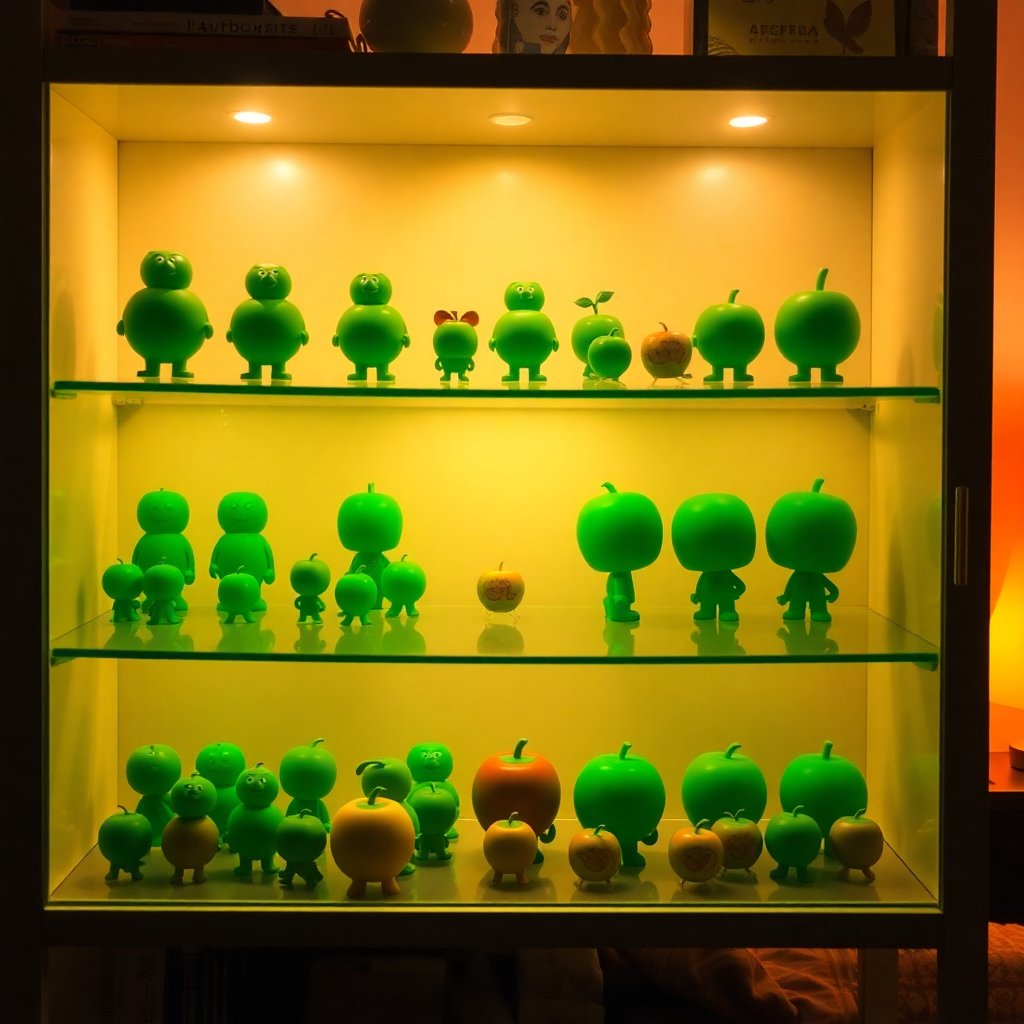
Plush gets most of the attention when people talk about Appletun merch, but the apple dragon has quietly become a rewarding figure to collect too. A good figure captures something a plush cannot: the squat, pie-round silhouette holding a crisp pose, the crust ridge sculpted in hard detail, and that calm, half-lidded face frozen mid-smile. For a Pokémon whose whole charm is its shape, a well-made figurine can be the centerpiece of a shelf.
The figure market is also messier than the plush market. There are several very different product categories wearing the word "figure," wildly different price points, and a steady supply of unlicensed knockoffs that look fine in a thumbnail and fall apart in your hand. This guide walks through what you are actually choosing between, how to judge a sculpt before you buy, and how to show the apple dragon off once it arrives.
Know the figure types before you shop
The first mistake new collectors make is treating "Appletun figure" as one thing. It is really four or five product categories that happen to share a search term, and they differ enormously in size, material, and price.
- Mini figures and clip-on collectibles. These are the small, affordable PVC pieces that show up in blind bags, battle sets, and multipacks. They are a couple of inches tall, often with simplified detail, and they are the easiest, cheapest way to get an apple dragon on your desk. Great for younger collectors or anyone starting out.
- Model-kit style figures. Snap-together or pre-assembled kits give you a more detailed, posable sculpt that you build yourself. They reward patience and tend to capture proportions well because they are engineered rather than mass-molded in one shot.
- Scale and statue figures. These are the premium pieces: larger, highly detailed, often hand-finished sculpts aimed at adult collectors. They cost the most and look the best, and they are where authenticity matters most because the price makes them worth faking.
- Trainer-and-Pokémon diorama sets. Some lines pair Pokémon with a trainer figure or a small environmental base. For a line as scene-friendly as the apple family, these can be charming, though Appletun specifically appears in fewer of them than mainline starters do.
Knowing which category you want keeps your search focused. If you search broadly, you can compare the field in one pass: → Shop Appletun figures on Amazon. Narrowing by type from there saves you from accidentally buying a two-inch clip figure when you wanted a six-inch statue.
What a good Appletun sculpt actually gets right
Appletun is deceptively hard to sculpt well, and that is good news for collectors: the tells that separate a quality figure from a cheap one are easy to learn.
The silhouette has to be squat. Appletun's defining feature is that it is wide and low, like a pie with a dragon's face. A figure that stretches the body tall or slims it down has lost the entire point of the design. Check the profile shot in any listing — the body should read as a flattened dome, not an upright blob. The crust ridge should be crisp. That segmented, pie-crust ridge running along the back is the signature detail. On a good figure it is cleanly defined with visible separation between segments. On a weak one it is a mushy bump or, worse, painted on flat. The ridge is the fastest way to judge mold quality from a photo. The face reads calm, not startled. The official design has small, evenly placed eyes and a soft closed-mouth smile. Cheap sculpts and bootlegs routinely get the eyes uneven, too large, or too high, which gives the apple dragon a surprised or cross-eyed look. A symmetrical, gentle face is a sign the mold was taken seriously. Paint stays inside the lines. On mass-produced PVC, slightly soft paint is normal, but you should not see green bleeding onto the cream belly, stray dots, or a glossy finish where the reference is matte. Clean paint separation is the single best indicator of overall quality control.If you want to double-check what the "correct" proportions and colors even are before you judge a figure, the community reference at Bulbapedia's Appletun entry) documents the official artwork the figures are based on. Pulling it up next to a listing photo makes sculpt flaws jump out immediately.
Match the figure to how you'll use it
There is no single "best" Appletun figure — the right pick depends on what you want it to do.
For a desk or office shelf, a mini figure or a small model kit is ideal. It is light, it survives the occasional bump, and nobody panics if a coworker picks it up. This is also the budget-friendly zone, so it is an easy first purchase. For a display centerpiece, step up to a larger scale figure or a detailed statue. The extra size and hand-finishing pay off when the piece is meant to be looked at rather than handled, and it anchors an apple-line shelf far better than a two-inch figure can. For a kids' collection, prioritize durable PVC mini figures over delicate statues. They are built to be played with, they are inexpensive enough to replace, and they take rough handling without snapping at the ankles. You can scan the sturdier end of the market here: → Shop Pokemon mini figures and collectible figure sets on Amazon. For a themed evolution display, think in terms of the whole apple line rather than a single piece. Applin, Flapple, Appletun, Dipplin, and Hydrapple together tell a visual story, and figures of the surrounding line turn a single figurine into a set. The design thread running through all of them is genuinely fun to lay out — our piece on Appletun's design origins and the wyrm-and-apple-pie folklore is a good companion read while you plan which forms to hunt for.Spotting authentic figures and avoiding bootlegs
Figures attract counterfeiters for the same reason plush do: enough demand, not quite enough official supply. The good news is that the same discipline that protects plush buyers works here, and a few checks catch most fakes.
Look for licensing marks. Genuine figures carry a copyright line and licensing information, usually molded into the base or printed on the packaging. A figure with no copyright stamp anywhere is a warning sign. Judge the packaging. Official figure boxes have sharp, high-contrast printing, correct logos, and clean spelling. Blurry graphics, odd color casts, or garbled text on the box are classic bootleg tells, exactly as they are with plush. Weigh the price against the type. A statue-grade figure selling for mini-figure money is almost never a bargain — it is usually a resin or PVC knockoff cast from a scan of the real thing. Casts-of-casts lose detail, which is why the crust ridge and face on a bootleg so often look soft. Read the seller signals. Bulk stock of a supposedly limited figure, stock-photo-only listings, and thin feedback are the same red flags that plague every collectible category. When a listing is unclear, ask for a real photo of the actual item and its base.This is the same methodology we lay out in detail for soft goods, and it transfers cleanly to hard figures — if you want the long version, our guide on how to spot a fake Appletun plush breaks down the tag, seam, and seller checks that apply just as well to a figure's base, paint, and packaging. For either category, buying from official channels like the Pokémon Center or established licensed retailers is the safest path, and the official Pokémon Center store is a reliable reference point for what a genuine figure and its packaging should look like.
Display and care that keeps figures looking new
A figure is a long-term display piece, so a little care up front protects it for years.
Guard against light. Prolonged sun exposure fades PVC and paint, and the greens and warm crust tones on Appletun are exactly the colors that go first. Keep figures off windowsills and out of direct afternoon light. A cabinet with a door does double duty by cutting light and dust at once. Control dust before it builds up. Dust is the enemy of textured sculpts because it settles into the crust-ridge grooves where a cloth cannot easily reach. A soft makeup brush or a can of compressed air clears detailed areas gently. For a shelf of figures, an enclosed case is far easier to keep clean than open shelving. You can compare display-case options here: → Shop figure display cases and shelves on Amazon. Mind heat and humidity. PVC can slowly warp or soften near a heat source, so keep figures away from radiators, sunny glass, and the top of warm electronics. Stable, moderate room conditions are all a figure needs. Pose with support. Larger scale figures and some kits are prone to leaning over time if they rest their full weight on thin legs. If a figure comes with a base or a peg, use it. For heavier statues, a small clear stand prevents the slow lean that eventually cracks an ankle joint.For the bigger picture of arranging an apple-line shelf — mixing figures with plush, cards, and other merch into something that looks intentional rather than cluttered — our Appletun collection display ideas cover lighting, grouping, and case choices that make a small collection look like a curated set.
Building a balanced apple-line collection
Figures rarely live alone. Most Appletun fans end up with a mix of plush, cards, and figures, and the figures are what give a display its structure because they hold a defined shape and pose on a shelf.
A simple way to build out is to treat the figure as the anchor and let softer and flatter items fill in around it. A centerpiece figure, a plush or two for warmth and scale, and a few framed or sleeved cards behind them creates depth without clutter. If plush is the side of the collection you want to grow next, our best Appletun plush guide covers which versions and sizes actually exist so you can match them to the figure's scale.
The apple line also gives you a natural collecting goal that is achievable rather than endless. Unlike chasing every card variant, assembling figures of Applin through Hydrapple is a finite, satisfying project — and each new form you add makes the whole shelf read more like a deliberate set and less like a pile of merch.
The bottom line
Appletun figures reward collectors who know what they are looking at. Decide which category you want before you search, judge a sculpt by its squat silhouette, crisp crust ridge, and calm face, and apply the same authenticity checks you would use for any collectible. Pick the size that matches how you will use it, protect it from light and dust once it arrives, and let it anchor a wider apple-line display. Do that, and you end up with a figure that looks as sharp on the shelf as the day it shipped — and a collection that grows with real purpose.
Affiliate disclosure: some links above are Amazon affiliate links, and Appletun Grove may earn a small commission on qualifying purchases at no extra cost to you. That never changes which products we recommend or how we judge a figure's quality.